
Bike Backpacks
-
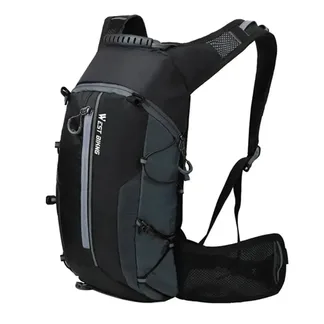
Ultralight Reflective Cycling Backpack
$67.90 -
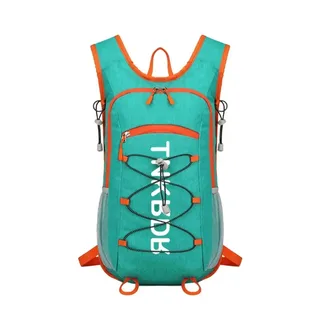
Sports Hydration Backpack, 20L
Price range: $56.90 through $78.90 -
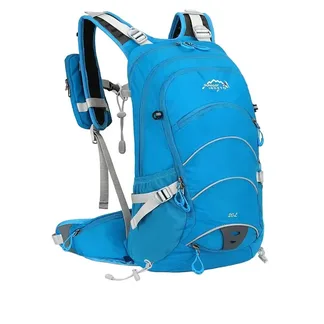
20L Cycling Backpack with Rain Flap
Price range: $101.90 through $123.90 -
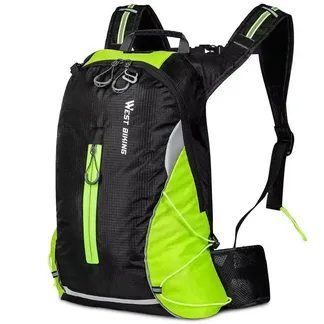
Mountain Bike Hydration Backpack
Price range: $67.90 through $78.90 -
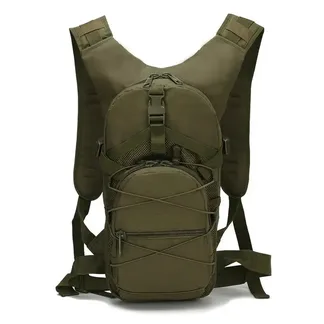
Small Waterproof Tactical Backpack 15L
$67.90 -
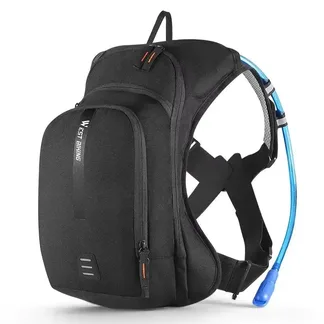
Ultralight Hydration Backpack, 10L
Price range: $78.90 through $89.90 -
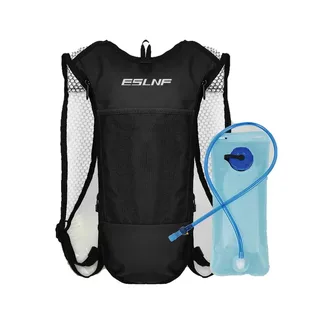
Lightweight Waterproof Cycling Backpack, 183 g
Price range: $44.90 through $56.90 -
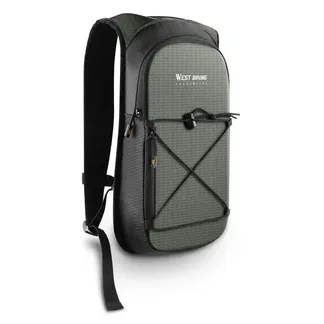
Cycling Hydration Backpack with Water Bladder and Straw
Price range: $33.90 through $78.90 -
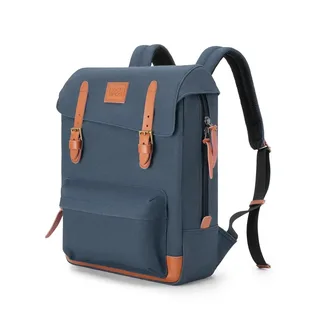
Commuter Bike Backpack for Folding Bikes
$269.90 -
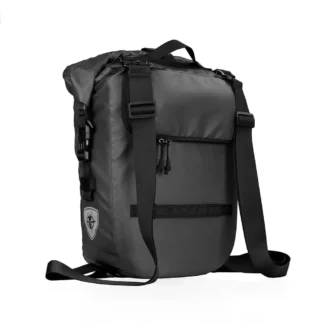
Convertible Bike Pannier Backpack with Roll-Top
$123.90 -
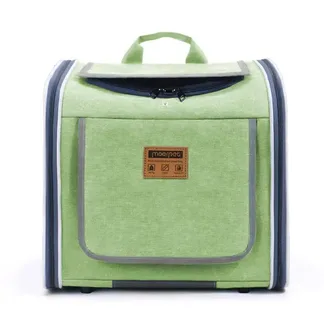
Cat and Dog Bike Carrier Backpack
$145.99 -
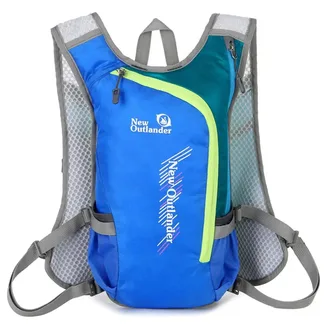
Ultralight Trail Running and Cycling Backpack, 300 g
$89.90
Our bike backpacks cover city commuting, sports rides and bike touring. Eight of the 12 styles have room for a water bladder, not always included, for riders after hydration backpacks for cycling. Five have reflective details for riding in the dark and 5 weigh under 400 g (14 oz). Four are named for mountain biking. One 20-liter roll-top hooks onto a rear rack and switches between pannier, shoulder bag and backpack, with a rain cover included, and another clips onto city and folding bikes.
How to choose the right backpack for biking
Choosing a backpack for biking is not just a question of style. Comfort, capacity, waterproofing, safety and ergonomics are all criteria to consider for your daily commute or your sports adventures. Whether you ride in the city or love mountain biking, the right bike backpack improves both your mobility and your safety.
A bike backpack suited to how you ride
For getting around town, go for a compact, lightweight bag with well-organized compartments, where a laptop, a lock, personal belongings and a toiletry bag all find their place. For sports rides or bikepacking, choose a more technical model with padded shoulder straps, hydration bladder compatibility, a sternum strap and a stabilizing waist belt. A 20 to 30 liter backpack generally offers the right capacity for a day. For long distances or rides over several days, go for a model of 35 liters or more.
Ideal capacity: how many liters?
- 15 L: for short trips, with a few personal belongings.
- 20 L: perfect for every day or a leisure ride.
- 25 to 30 L: room for a laptop, a change of clothes, a waterproof pouch and a meal.
- 30 L and up: ideal for hiking backpacks or bike touring.
A secure laptop compartment
A quality bike bag includes a padded compartment dedicated to carrying a laptop (13, 15 or even 17 inch). This compartment should sit snugly against your back and be held by straps or Velcro-style fasteners, to ensure the best weight distribution and maximum security.
Internal organization: a place for everything
A good bag for carrying on the bike offers:
- A roomy main compartment
- Zippered pockets for small items
- Side pockets for a water bottle or a lock
- A built-in key clip
Quick access to your gear is essential, especially when you stop often.
A practical opening system
Choose a bike backpack with a smooth zipper, a roll-top closure or a side opening. Avoid complicated closures that slow down access.
Hydration: bladder or water bottle?
For long rides or sustained effort, choose a backpack that takes a hydration bladder (with a port for the tube). In town, a side pocket for a water bottle is often enough. Either way, the hydration compartment should be separated from the rest of the contents.
Waterproofing: an essential criterion
A waterproof bike backpack is a must in bad weather. Compare the protection stated in our waterproof backpacks collection. Look for waterproof materials such as coated nylon or TPU, heat-sealed seams or a built-in rain cover.
Comfort and ergonomic carrying
Your cyclist’s backpack should offer:
- Padded shoulder straps and adjustable straps
- A ventilated back (mesh, foam or tensioned netting)
- A sternum strap and a hip belt for stability
This ensures comfortable carrying, even over long distances or in intense heat.
Stability and safety
A bag that moves while you pedal is a hazard. Favor models with:
- Compression straps
- A narrow shape to limit swaying
- A rigid back panel or protective plate on mountain bike models
Visibility at night
A good backpack for cyclists should include:
- Reflective strips
- Mounts for an LED tail light
- Visible or neon colors for riding at night
Carrying a lock and heavy items
Put heavy items such as a U-lock in a reinforced compartment, close to your back. Some models have a dedicated space to avoid impacts and keep you comfortable.
Style and versatility
Urban bike backpacks go for a low-key look, with a simple design, quality fabric and colors such as black, khaki or navy. Some convert into a laptop bag, a shoulder bag or a purse for mixed use between work and leisure.
Regular backpack vs bike backpack
A regular backpack often lacks:
- Back ventilation
- Support suited to cycling
- Waterproofing and visibility at night
The best bike backpacks combine a clean design, sturdiness, functional compartments and ergonomics.
Which bike backpack for the city or mountain biking?
The choice of a backpack for biking depends on how you ride, your trips and your needs: waterproofing, comfort, capacity, safety. A well-designed model will go with you every day, on the bike as well as on foot. For the trails, each of the four mountain bike backpack styles takes a hydration bladder. Take the time to compare the backpack styles available and choose the one that gives you the best balance between performance and practicality.
Check out our sports backpacks collection too, for a full selection of sports backpacks.