
Gym Backpacks
-
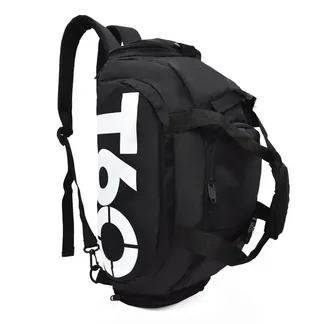
Swimming and Sports Backpack, Wet Compartment, 36 to 55 L
£75.90 -
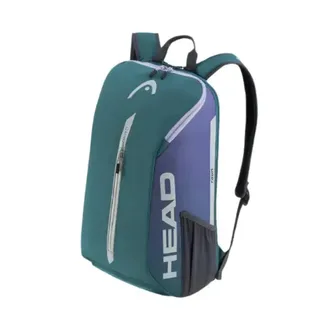
Tennis, Padel and Badminton Racket Backpack
£109.90 -
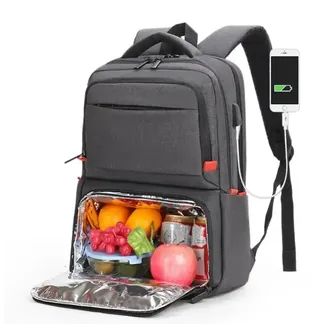
Men's 15.6 Inch Laptop Backpack with Insulated Compartment
£117.90 -
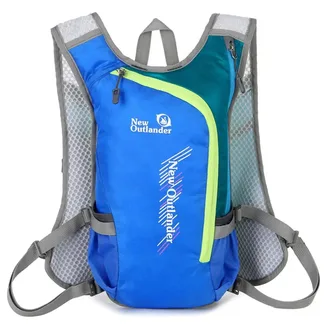
Ultralight Trail Running and Cycling Backpack, 300 g
£67.90 -
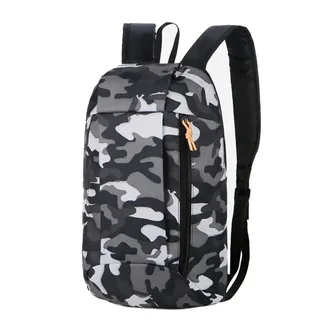
Ultralight 10L Hiking Backpack
Price range: £16.90 through £25.90 -
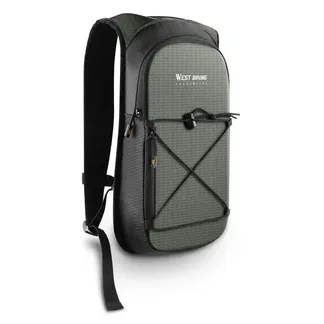
Cycling Hydration Backpack with Bladder and Straw
Price range: £25.90 through £58.99 -
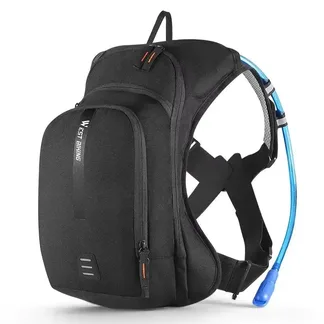
Ultralight Hydration Backpack, 10L
Price range: £58.99 through £67.90 -
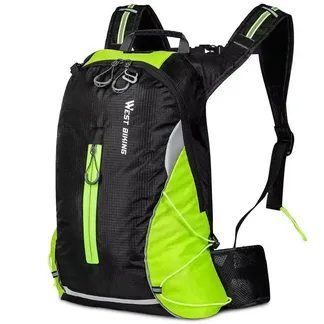
Mountain Bike Hydration Backpack
Price range: £50.90 through £58.99 -
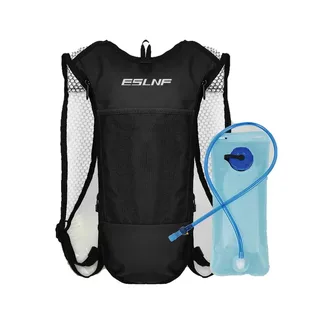
Waterproof Backpack with Water Bladder for Cycling, 183 g
Price range: £33.90 through £42.90 -
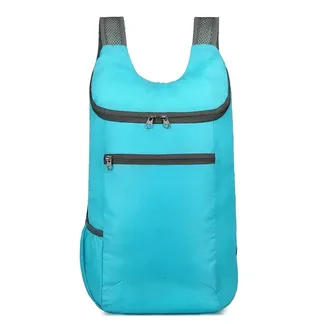
Lightweight 20L Hiking Backpack
Price range: £16.90 through £25.90 -
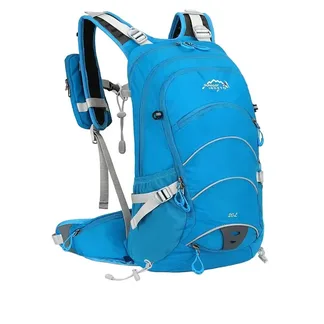
20L Cycling Backpack with Rain Flap
Price range: £75.90 through £92.90 -
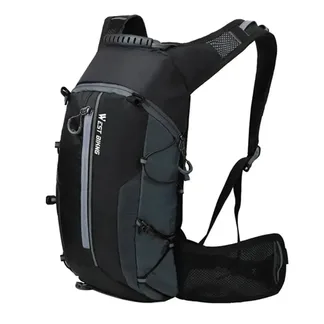
Ultralight Reflective Cycling Backpack
£50.90 -
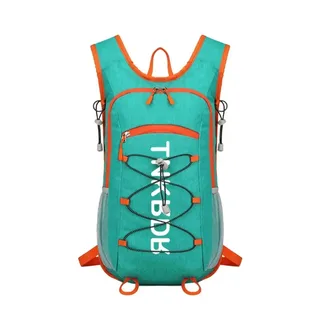
Sports Hydration Backpack, 20L
Price range: £42.90 through £58.99 -
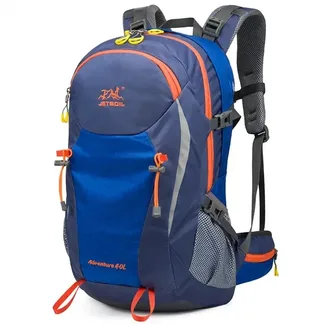
Trekking Backpack 36 to 55 L for a 16 Inch Laptop
£117.90 -
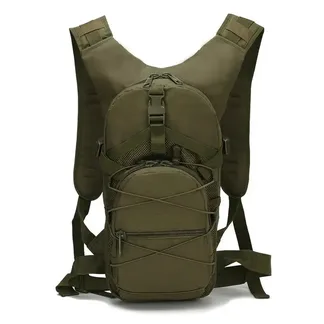
Small Waterproof Tactical Backpack 15L
£50.90 -
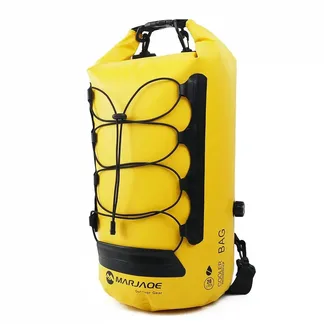
Dry Bag Cooler Backpack, 20L
£84.90 -
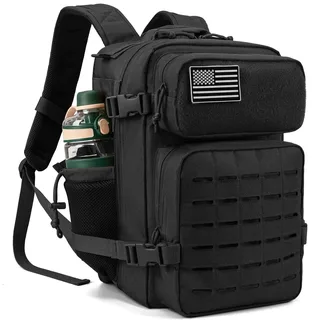
Modular 25L Tactical Backpack with Patches
£67.90 -
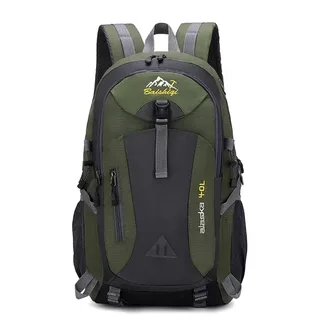
Waterproof 40L Hiking Backpack
£50.90 -
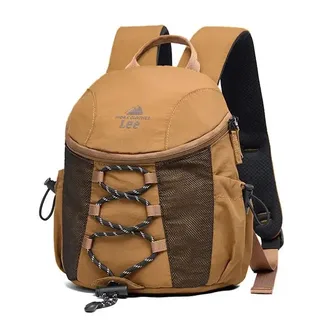
Mini Hiking Backpack with Chest Strap
£84.90 -
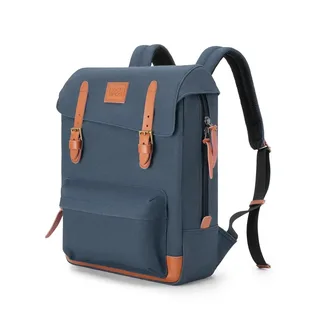
Commuter Bike Backpack for Folding Bikes
£202.90 -
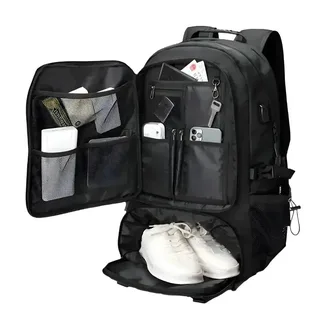
Expandable Travel and Hiking Backpack, up to 80 L
Price range: £84.90 through £101.90 -
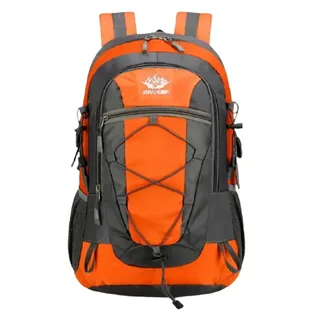
Large Hiking Backpack with Hip Belt, 20 to 35 L
£51.90 -
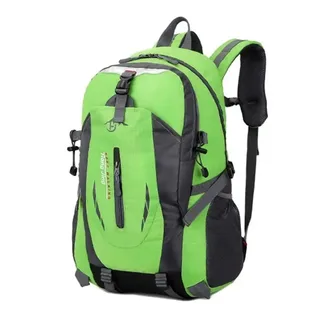
Lightweight 40L Hiking Backpack with Chest Strap
£50.90
A gym backpack carries your kit to training, the pool or the trail, and our sports styles cover the gym, racket sports, running, cycling and hiking. They range from compact hydration packs to an expandable bag of up to 80 litres, and the seven criteria below help you choose.
What our 23 sports backpacks offer
For the gym, one large style of 36 to 55 litres, our swimming backpack, takes clothes, a towel or even a basketball, and has a wet and dry separation, and a waterproof divider is listed as a colour option. Our expandable travel backpack of 45, 60 or 80 litres has a separate shoe compartment, a USB port and a 270° opening, and another style, our tennis racket backpack, carries tennis, padel or badminton rackets. Our men’s backpack with insulated compartment goes from the office to the gym with a 15.6 inch laptop and an insulated lunch compartment, and four styles in all have a laptop pocket or compartment, up to 16 inches.
Most are described as waterproof or water-repellent. Eight have room for a water bladder, not always included, five have side pockets for a water bottle and five have reflective details. Seven weigh under 400 g, the lightest, our 10L hiking backpack, at only 150 g, and our ultralight trail running and cycling backpack weighs 300 g. Five have a chest strap, one a padded hip belt (our large hiking backpack) and one a built-in rain cover (our 55L trekking backpack). For water sports, our 20 litre dry bag cooler backpack keeps drinks cool for up to 10 hours.
How to choose the right sports backpack
Whether for hiking, trail running, cycling, fitness or other outdoor sports, a well-chosen sports backpack makes carrying easier, improves organisation and adds comfort while you exercise. Here are the 7 key criteria for selecting a model that suits your needs perfectly.
1. Choose a backpack suited to your sport
Every sport has its own demands. For hiking or trekking, go for a hiking backpack with a breathable back, a hip belt, adjustable straps and a capacity of 30 to 50 litres. For running or trail running, opt for a compact (5 to 15L), lightweight and well-fitted model. Cyclists will appreciate a streamlined bag with a hydration bladder and waterproof fabric. At the gym, a bag with separate compartments (shoes, dry and damp clothes) is a real plus.
2. The right volume for the use
The capacity of a sports backpack, often expressed in litres, determines how much of your kit it can hold:
- Under 15L: for quick sessions, trail runs or cycling around town.
- 15 to 30L: suited to fitness sessions, team sports or day trips.
- 30 to 50L: ideal for longer hikes or activities that need more equipment.
- Over 50L: for treks of several days or sports expeditions.
3. Carrying comfort and ergonomics
A good sports bag must be comfortable, even when fully loaded. Look for padded shoulder straps, a chest strap, a hip belt and a back in mesh or ventilated foam. Some models are designed specifically for a woman’s or a man’s build, which improves carrying comfort even more.
4. Interior organisation and pockets
A practical sports backpack should make your belongings easy to reach. Choose models with several compartments, an inner zip pocket, a waterproof pocket for damp clothes, or a space for a water bottle or a hydration bladder. Side pockets and front pockets are ideal for things you want close at hand.
5. Hard-wearing materials and protection from the elements
Outdoor sports call for a bag that stands up to bad weather. Go for waterproof or water-repellent fabric, strong zips and, if possible, a built-in rain cover. Polyester, nylon and reinforced technical fabrics are safe bets.
6. Design and style of the bag
A sports backpack can combine performance and good looks. With simple shapes, bright colours and a discreet logo, there are models to suit every taste. Fans of a sportswear or urban style will also find versatile bags to wear every day.
7. Durability, what makes a sports bag last
A sports bag wears out quickly if it is badly made. Go for reinforced seams, sturdy materials and a careful finish, because a well-designed bag saves you replacing it every season.
Which sports backpack for your sport?
The right sports rucksack is the one that suits your sport, your build and your style, light for trail running, divided into compartments for the gym, stable and ventilated for cycling, larger for hiking. Well chosen, it will go with you on all your sporting outings.
For hikers and trekking fans, see our hiking backpacks collection, and for cycling and mountain biking, our cycling backpacks collection.